Sundarbans: Call Them Uncles and Not Tigers
“Shhh! Why do you have to use the word ‘tiger’? It is like inviting them! So please call them ‘uncle’.” Frantically expressing their fear, nearby villagers often repeat such warnings to tourists. But what about you? Are you ready to embark on a thrilling journey into the world’s largest habitat of Royal Bengal Tigers?
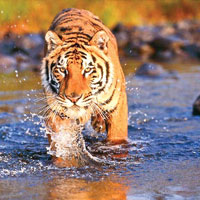
If yes, then welcome to the Sundarbans! It is a protected natural region in West Bengal formed by the confluence of three rivers—Ganges, Brahmaputra and Meghna. Spreading across 10,000 sq. km, about 60% of the area lies in Bangladesh and the rest in India. A UNESCO World Heritage Site, the region is home to more than 400 Royal Bengal Tigers.
Sundarbans Tour revolves around wildlife sightseeing, boating, bird watching, village walks, camping, and watching Jhumur, the traditional local dance. It is an unforgettable experience when your boat glides through narrow creeks lined with dense mangroves that conceal some of the fiercest animals on the planet.
History of Sundarbans suggests that during the Mughal era, the forests were rented out to local inhabitants. Ruins of many ancient structures recovered from the area are believed to have been built by the Mughals before eventually falling into the hands of Portuguese pirates and salt smugglers.
During a village walk, you can enjoy photographing traditional Bengali mud huts, many decorated with beautiful floral designs drawn using rice paste.
Following are the main travel attractions of Sundarbans
Tiger Reserve: This is the heart of Sundarbans tourism. Nearly 400 Royal Bengal Tigers live here and have remarkably adapted to the marshy terrain. Visitors may spot these majestic animals from a safe distance. It is fascinating to watch these kings of the land swim effortlessly in salty waters.
Several watchtowers in the region offer strategic views of the tigers basking in the sun or strolling across their territory.
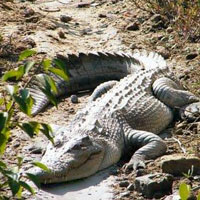
Bhagabatpur Crocodile Project: This is the only crocodile breeding farm in West Bengal and is located on the banks of the Saptamukhi estuary. Large numbers of estuarine crocodiles can be seen basking in the sun. The farm also houses other reptiles and Batagur baska turtles, some of which are over 100 years old. The flowing river nearby enhances the scenic beauty of the park.
Netidhopani: A popular tiger-watch spot, Netidhopani is linked to an intriguing legend. The tale revolves around Behula, a well-known character from Bengali folklore. As she sailed with her deceased husband, she noticed a woman washing clothes while a child repeatedly disturbed her.
The woman sprinkled water on the child, making him fall lifeless. After finishing her work, she chanted a mantra and sprinkled water again, reviving the child. Astonished, Behula sought her help and was able to bring her husband back to life. The mysterious woman was believed to be Netidhopani, after whom the ghat is named. Today, a watchtower stands here overlooking the remains of a 400-year-old temple.
Sajnekhali Watch Tower: Among the many watchtowers in the Sundarbans, Sajnekhali is the most visited. Many resorts in Sundarbans are located nearby. It also houses the forest department’s Head Office, and entry permits to the forest are issued here.
It is an excellent spot for birdwatching, offering sightings of Kingfishers, Plovers, Sandpipers, Whimbrels, and many more.
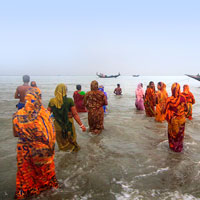 When to Reach: September–February is the best time to visit. Avoid travelling during June–August when the region experiences heavy rainfall. Rash Mela (February), a vibrant rural fair, is also a memorable event for travellers.
How to Reach
Air: The nearest airport is Dum Dum Airport in Kolkata, about 112 km away.
Rail: Canning Railway Station (48 km) is the closest railhead. Local trains connect Canning with Sealdah, one of South Kolkata’s major railway stations.
Road: There is no direct road access to the Sundarbans. Travellers must reach nearby points such as Namkhana, Raidighi and Najat and then continue their journey by boat.
So gear up to explore West Bengal with a Sundarbans Tour. After all, it promises a unique destination where thrill and excitement hide behind the thick green canopy of the mangroves.